Frontier AI Is Helping 30 Lakh Farmers in Maharashtra Build Climate Resilience
AI-powered agricultural advisories are transforming how 30 lakh farmers in Maharashtra access weather forecasts, crop guidance and market information. Through voice-enabled, local-language tools, frontier technology is helping farmers make smarter decisions, reduce climate risks and build more resilient livelihoods.
Updated on: 27 October 2026

Sector

Solution

Technology

State of Origin
Disclaimer:
Features ‘as is’ submissions and neither constitutes endorsement, certification, recommendation, or validation by NITI Aayog nor makes NITI Aayog liable in any manner.
Impact Metrics
30 lakh+ farmers
benefiting from Maharashtra’s AI-powered MahaVISTAAR agricultural advisory platform.
4 critical stages of farm management
sowing, irrigation planning, pest control and pesticide use supported through AI-powered advisories.
Real-time, location-specific advisories
help farmers plan agricultural activities, anticipate weather risks and make more informed crop management decisions.
3 key advisory areas
weather forecasts, crop guidance and market information integrated into Maharashtra’s MahaVISTAAR platform.
As climate change makes weather patterns increasingly unpredictable, artificial intelligence (AI) is emerging as a valuable tool for helping farmers protect their crops and livelihoods. Erratic rainfall, prolonged droughts, rising temperatures and unexpected pest outbreaks are making traditional farming practices increasingly difficult to sustain.
AI-powered agricultural tools can analyse weather forecasts, soil conditions, crop health and historical data to provide timely, location-specific advice. Farmers can use these insights to determine the best time to sow seeds, plan irrigation, manage fertiliser use and identify potential pest and disease outbreaks before they cause significant damage.
Early warnings about extreme weather events can also help farmers take preventive measures, reducing crop losses and improving resilience. By supporting more efficient use of water and other resources, AI can contribute to sustainable farming practices.
For smallholder farmers, accessible AI-based advisories in local languages can make critical information easier to understand and act upon, helping them adapt to a changing climate.
An AI-powered agricultural advisory platform
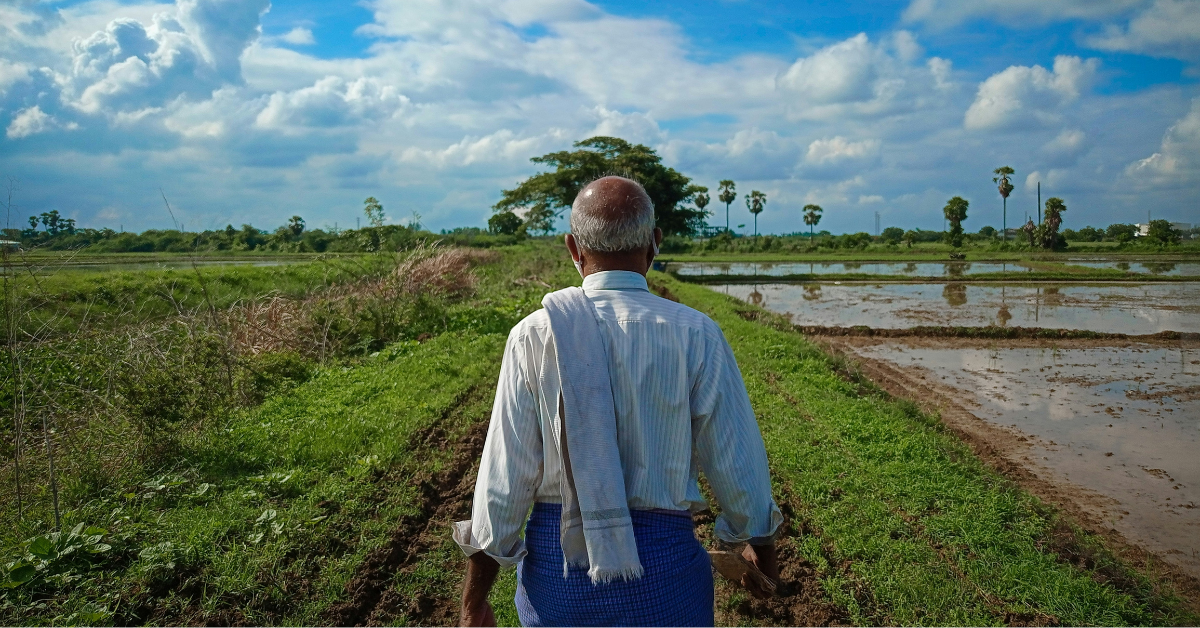
An agriculture-tech revolution is brewing in Maharashtra. More than 30 lakh farmers are benefiting from MahaVISTAAR, Maharashtra’s AI-powered agricultural advisory platform.
By enabling farmers to ask questions in Marathi and other regional languages, a voice-based service is transforming how rural communities access weather forecasts, crop advisory services, and market information.
Launched by the Maharashtra government on 21 May 2025 in collaboration with the Project on Climate Resilient Agriculture (PoCRA), MahaVISTAAR integrates weather forecasts, crop advisories, market updates, and government services into a single digital platform.
To get started, farmers can register using their mobile number and a one-time password (OTP), then select their district, taluka, and village. Once registered, they can access agricultural guidance at every stage of the crop cycle, covering everything from sowing and irrigation planning to pest control and the appropriate use of pesticides.
The app’s voice-enabled interface is one of its key features.
A versatile interface
Although smartphones and internet connectivity are becoming increasingly widespread in rural India, many farmers still struggle to navigate digital platforms. Text-heavy interfaces and unfamiliar technology can make it difficult for them to find and use the information they need.
Voice-enabled artificial intelligence is helping overcome these barriers by allowing farmers to ask questions in their preferred language and receive responses within seconds.
The platform’s value lies in its practical application to everyday farming decisions. Farmers who notice signs of pest infestation can seek timely advice, while those planning irrigation or pesticide spraying can check weather forecasts before proceeding.
The ability to access relevant information quickly and conveniently appears to be contributing to the platform’s growing adoption among farmers.
Farmers can currently upload photographs of their crops through the app. Integrating a WhatsApp-based service could further expand its capabilities, enabling them to share soil test reports and receive customised advice on soil health, nutrient management, and fertiliser application. Weather alerts and farming advisories could also be delivered directly through a platform that many farmers already use daily.
How can this revolutionise agriculture?
As part of its Digital Agriculture Mission, India has established a robust digital foundation for agriculture, with more than 7.63 crore Farmer IDs created and 23.5 crore crop plots surveyed.
As of December 2025, the Kisan e-Mitra chatbot had answered more than 93 lakh queries, handling over 8,000 farmer queries daily in 11 regional languages. In another significant initiative, an AI-based pilot for local monsoon onset forecasting during the 2025 Kharif season reached 3.88 crore farmers across 13 states through SMS alerts.
According to survey findings, 31–52% of farmers surveyed adjusted their sowing and land preparation decisions based on these forecasts, demonstrating how AI-driven insights can help farmers make informed decisions and adapt to changing weather conditions.
AI-powered platforms such as MahaVISTAAR have the potential to transform Indian agriculture by making timely, reliable and personalised farming advice accessible to millions of farmers. By analysing weather patterns, soil conditions, crop health and pest risks, these tools can help farmers make informed decisions about sowing, irrigation, fertiliser application and crop protection.
In a similar example, the World Bank Group had written about KATHIR, Kerala’s AI-powered agricultural platform, developed by the state government with its support. The platform uses satellite imagery, remote sensing and AI-driven analytics to provide farmers with localised weather alerts, sowing advice and crop disease detection. It also helps government agencies map crops, estimate yields and improve the delivery of subsidies and disaster assistance. KATHIR contains data on more than three million farmers and maps over 1.1 million hectares of farmland.
This is particularly important as climate change increases the frequency of erratic rainfall, droughts, heatwaves and pest outbreaks. Early warnings and location-specific advisories can help farmers prepare for these challenges, minimise crop losses and use scarce resources more efficiently.
AI can also improve farmers’ access to market prices, government schemes and agricultural services, potentially strengthening their bargaining power and incomes. Voice-enabled services in regional languages can bridge digital literacy barriers, ensuring that even farmers with limited formal education can benefit from technology.
At a national level, wider AI adoption could support more efficient food production, reduce agricultural waste, conserve water and improve food security. By combining local knowledge with data-driven insights, AI can help build a more productive, resilient and sustainable agricultural sector for India.
Share Your Story Today, Shape Viksit Bharat Tomorrow
Got an idea, innovation, or experience that's making a difference? Share your story now and ignite India's transformation because your voice can drive the future forward!
Disclaimer:
Features ‘as is’ submissions and neither constitutes endorsement, certification, recommendation, or validation by NITI Aayog nor makes NITI Aayog liable in any manner.
Resources to Replicate This Idea
BUILD YOUR OWN INTERVENTION
Handpicked stories tailored just for you
Explore stories that inspire, inform, and ignite new ideas across tech, innovation, and real-world impact


>99.999% Pathogen Destruction: India’s Frontier Technology for Safer Healthcare
Biomoneta’s patented ZeBox™ technology uses 3D-textured electrodes coated with microbicidal agents to destroy over 99.999% of targeted airborne microorganisms through...
Read More