Inside Chittoor: The Model Bringing Job Security and Quality Education to ~250 Farming Families
Project Chittoor is using agrivoltaics and AI tools to support rural economies in Andhra Pradesh. By giving farmers access to both clean energy and personalized education, it is helping address the urban–rural divide.
Updated on: 25 June 2026

Sector
Education

Solution
Rural Education

Technology
AI

State of Origin
Impact Metrics
~600 acres of land
managed under rural development project.
Access to clean renewable energy
for farmers, whether for sale or domestic consumption.
Reduced harvest losses
from spoilage as produce can be stored in local facilities.
As India experiences rapid economic growth, its cities are transforming into hubs of science and technology, attracting millions of hopeful migrants from across the country’s villages. While this has increased access to employment and information for these migrants, it has also resulted in major labor shortages in the agriculture sector. Development on the national scale has been accompanied by a declining village economy and a widening urban–rural divide.
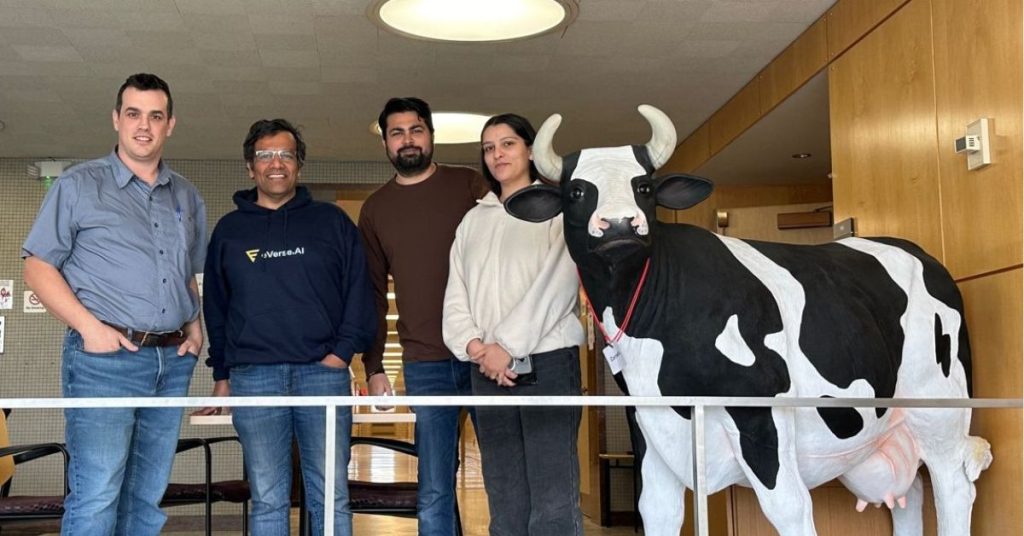
Project Chittoor seeks to address the systematic forces behind this trend of emigration from rural India. While many associate villages with a lack of technology, this project showcases a model of technological development oriented around rural community needs. It takes two frontier technologies—renewable energy and AI— and gives them directly to farmers, helping them build not only security but also sustainability on their own terms. Founded in 2024 by Dr C.S. Sunder Raju of Atria Group, it has brought benefits to Andhra Pradesh’s Palyam region that could be replicated in other Indian contexts.
Background of the project
Throughout India’s growth story, agriculture has remained the largest source of livelihood for the majority of its population. Spread across diverse climate zones and ecosystems, farming provides the foundation of all other sectors of the economy. And unlike in more industrialized countries, the majority of farmers in India belong to small landowning communities that still live in their ancestral villages.
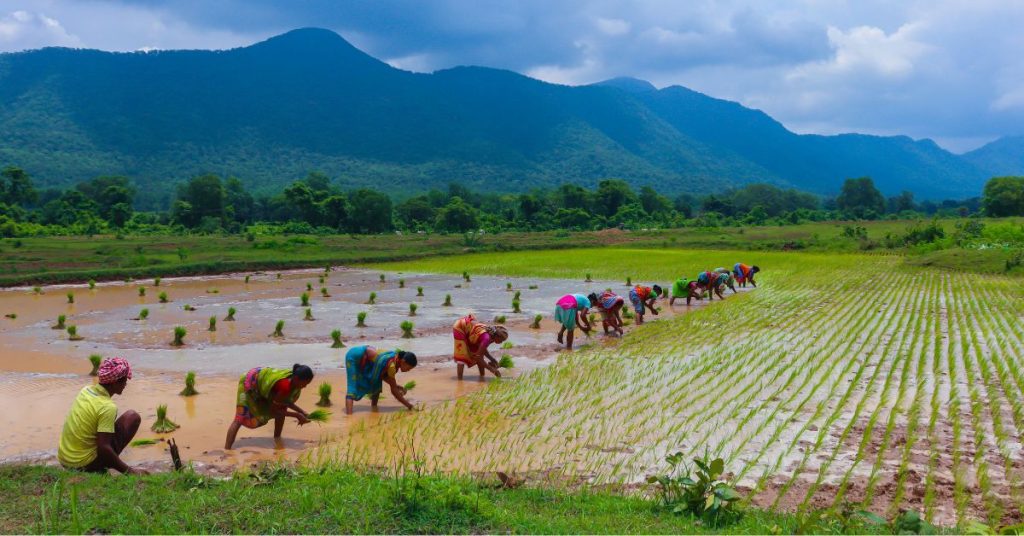
Life in these villages is made more complex by forces specific to the 21st century. On the one hand, climate change affects soil fertility, rainfall, temperature, and other natural forces in hitherto unforseen ways. This increases the uncertainty inbuilt into agriculture as a profession and, consequently, the chances of large-scale crop failure. At the same time, difficulties accessing institutional support mean that farmers have few safeguards against poverty and debt. These forces erode the autonomy of the village and push people to migrate to larger cities in search of work.
How does the project use technology for empowerment?
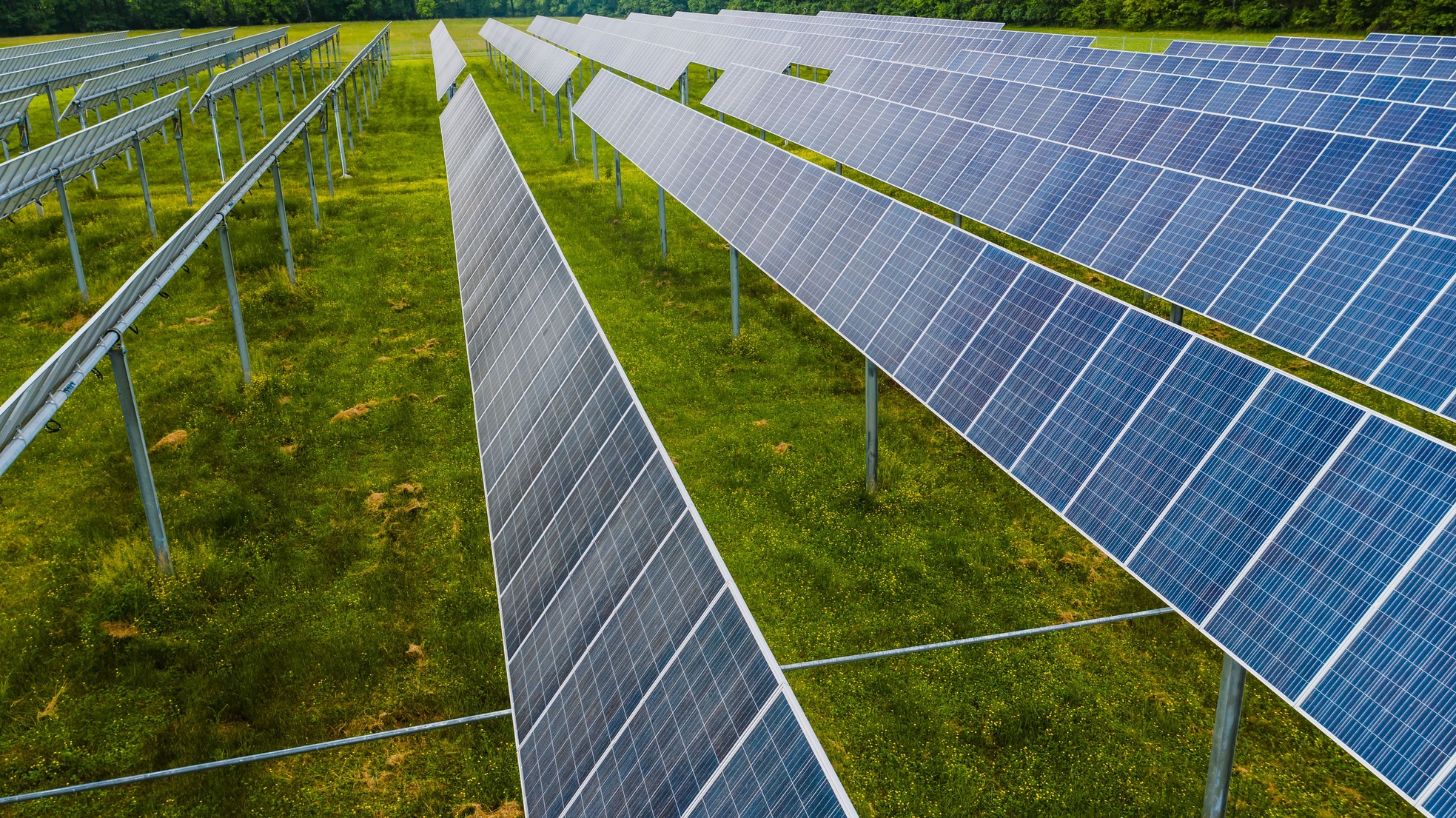
At the core of Project Chittoor are two initiatives. First, and most important, is the use of agrovoltaics in farms. As part of this, solar panels are installed on land that is already growing crops. The result is that that a new income source is created on the same land—solar power, which can be utilized for both domestic consumption and sale. While crops may not always grow in a predictable manner, this new infrastructure constantly generates power and needs minimal supervision once set up.
With additional power, villages can expand their crop storage facilities, choosing between new options such as cold storage and micro-storage to keep their harvests fresh for longer. This allows farmers to wait and sell produce at competitive market prices without the risk of spoilage.
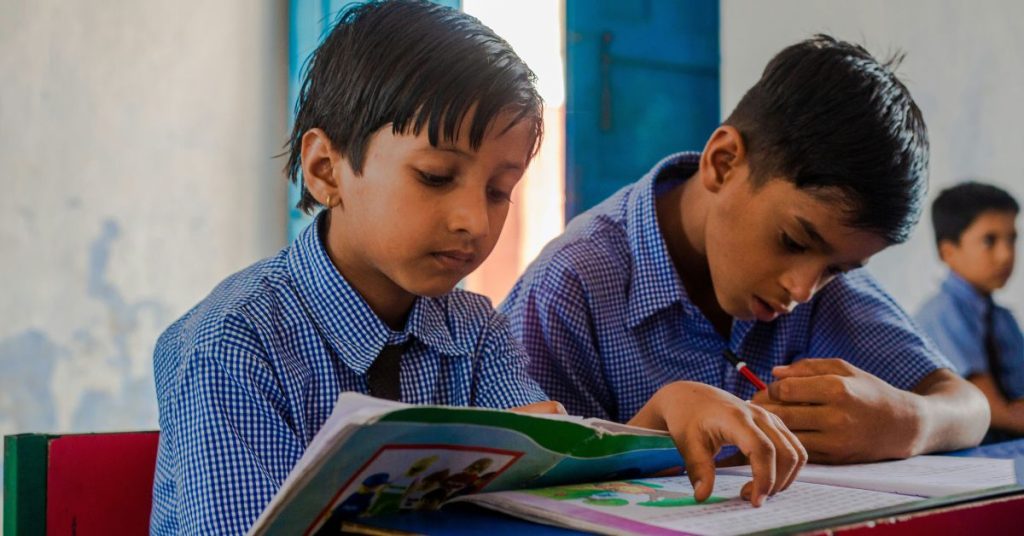
The other initiative led by Project Chittoor concerns education and digital access. Recognizing that access to quality information and new technology is limited in rural areas, Atria Group offers an adaptive learning experience with the help of AI-powered digital tools and platforms. Students no longer have as much pressure to travel far to access schools and universities as personalized education is brought to them.
Who has Project Chittoor impacted?
So far, Project Chittoor has been operational across ~600 acres in the Thirumala Raju Puram (Palyam) region of Chittoor District, Andhra Pradesh. Its agrivoltaics and education programs have directly reached around 250 farming families, increasing both their incomes as well as their integration within the new digital India. The leadership team aims to work to increase the average farm income from ~INR 15,000/acre per month to ~INR 1,00,000/acre per month.
With the above developments, not only the included families but also the larger communities around them have experienced gains. Clean energy and quality learning resources have helped strengthen local economies that were being weakened by high rates of emigration.
As living conditions improve, all participants these economies have more incentives to stay back and invest in common village infrastructure, which in turn can invite more business from neighboring regions. Economic growth can now occur within a framework that prioritizes local agriculture, energy access, education, and livelihoods.
Expanding the project’s success
In addition to financing for general infrastructure expansion, Project Chittoor seeks partnerships with technological, research, and educational institutions to improve the quality of its services.
Integration with national policy frameworks such as PM-KUSUM 2.0, which encourages agrovoltaic use, would bring mutual economic gains to both the project as well as the national government. At a broader level, more policy support for decentralized renewable energy and rural development would help address the urban–rural divide, paving the way for more equitable growth. Rebuilding the village as a site of opportunity would allow rural communities to maintain their way of life while also contributing to India’s growth story.
Share Your Story Today, Shape Viksit Bharat Tomorrow
Got an idea, innovation, or experience that's making a difference? Share your story now and ignite India's transformation because your voice can drive the future forward!
Resources to Replicate This Idea

BUILD YOUR OWN
Do you want to know how this innovator scaled their idea, how much it cost them, and what resources/partnerships they deployed?
Handpicked stories tailored just for you
Explore stories that inspire, inform, and ignite new ideas across tech, innovation, and real-world impact

How 2 Lakh Farmers Are Using AI To Earn Carbon Credits and Remove 2 Million Tonnes of Carbon
With AI, satellite imagery and regenerative farming, Varaha has brought 1.1 million acres under climate-positive agriculture, helping over 2 lakh...
Read More