2,000+ Sanitation Staff, 36+ Cities: How Frontier Tech Is Transforming India’s Waste Management
WeVOIS Labs is leveraging frontier technologies like RFID, GPS tracking and AI-powered sorting to transform waste management across 36+ Indian cities. Its model advances resource recovery, operational efficiency and the vision of zero-waste cities.
Updated on: 29 October 2026

Sector

Solution

Technology

State of Origin
Disclaimer:
Features ‘as is’ submissions and neither constitutes endorsement, certification, recommendation, or validation by NITI Aayog nor makes NITI Aayog liable in any manner.
Impact Metrics
46 lakh+ citizens reached daily
WeVOIS Labs' technology-enabled waste management operations serve more than 46 lakh citizens every day across Indian cities, helping improve the reach and traceability of municipal sanitation services.
36+ cities covered across India
WeVOIS Labs' model combines digital tracking, route optimisation and waste processing to help cities improve collection efficiency and reduce dependence on landfills.
2,000+ sanitation workers and field staff supported
By integrating technology into daily operations and focusing on stable salaries, training and improved working conditions, WeVOIS Labs aims to strengthen sanitation workers’ livelihoods and operational coordination.
100 zero-waste cities targeted
by combining digital waste tracking, AI-assisted sorting and recycling systems to recover resources and support a circular economy.
What happens after waste leaves your doorstep?
Most people stop thinking about waste once it leaves their homes. But at WeVOIS Labs, that is where the real journey starts. The platform supports more than 2,000 sanitation workers and field staff, using technology throughout the waste management process, from collection to recycling and resource recovery.
It begins by digitally mapping properties such as houses, apartments, hotels, hospitals and commercial establishments, assigning each a unique RFID (Radio Frequency Identification) tag to track waste collection and estimate waste generation.
This data helps optimise collection routes, which are shared with drivers through mobile phones, while residents can track vehicles and receive arrival alerts. During collection, workers scan each property’s RFID tag to create a digital record, allowing supervisors and municipal authorities to monitor service delivery, attendance, routes and vehicle movements through a central dashboard. Once collected, waste is transported to processing facilities, where cameras, sensors and AI-enabled systems assist in identifying and sorting recyclable materials.
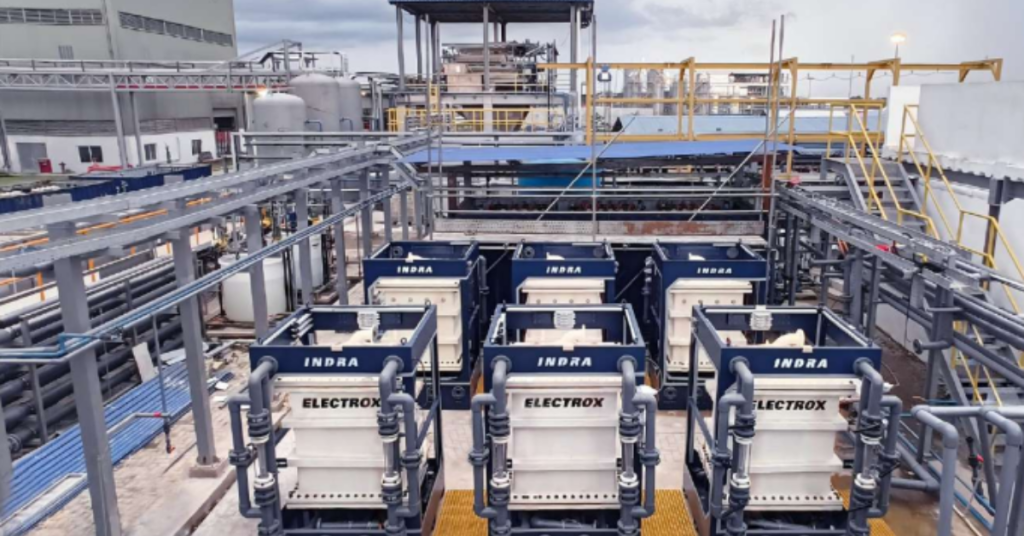
Wet waste is directed to composting and organic processing, while dry waste is sorted at material recovery facilities into paper, plastic, metal, glass, cardboard and textiles. Recyclable materials are sent to authorised recycling partners, while non-recyclable waste is converted into refuse-derived fuel for industrial use, reducing landfill dependency.
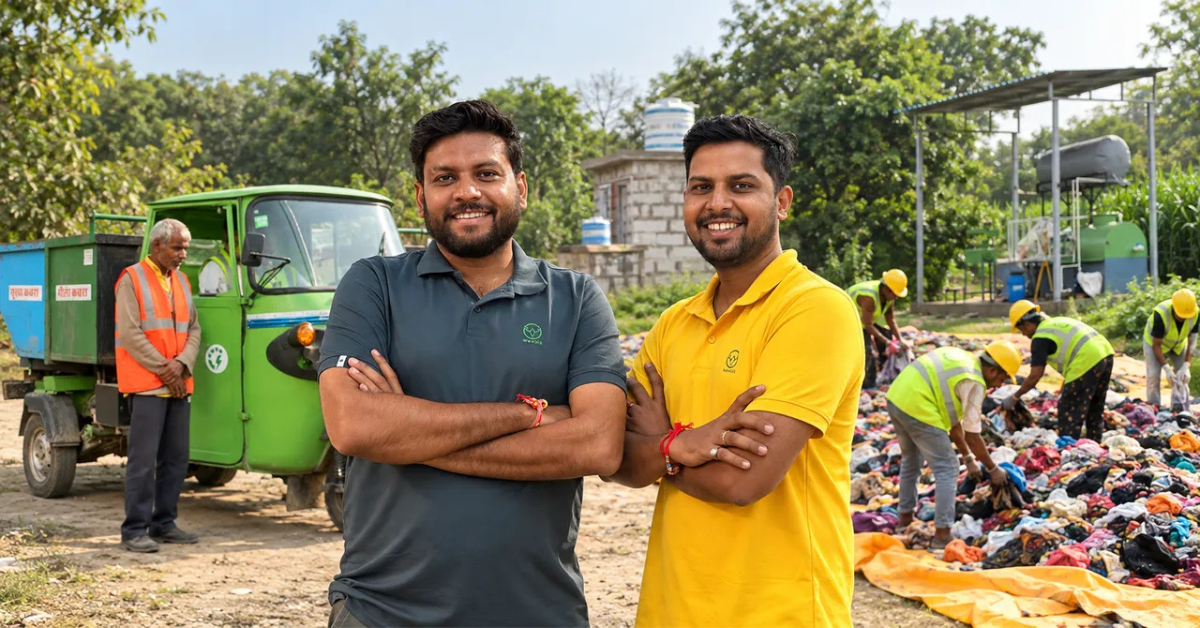
To address textile waste specifically, WeVOIS Labs has also established a recycling facility in Jaipur, where pre-consumer and post-consumer textiles collected from households, residential societies, donation drives and manufacturing units are sorted and processed into reusable fibres.
By integrating digital tracking, route optimisation, AI-assisted sorting and specialised recycling processes, WeVOIS Labs aims to make waste management more transparent, efficient and resource-oriented.
How can this change waste management for Indian cities?
Indian cities generate approximately 1.7 lakh tonnes (170,000 tonnes) of municipal solid waste every day, according to reports.
WeVOIS Labs’ technology-driven approach could help Indian cities move from traditional waste collection towards a more transparent, accountable and resource-efficient system. By digitally mapping properties and tracking collections through RFID tags, cities can identify service gaps, monitor collection performance and plan routes more efficiently. This could reduce fuel consumption, missed pickups and the burden on sanitation workers, while giving residents greater visibility into municipal services.

At the processing stage, AI-enabled sorting, material recovery facilities and specialised textile recycling can help divert more waste from landfills. Composting wet waste, recovering recyclable materials and converting non-recyclable waste into refuse-derived fuel can also support a more circular economy, where discarded materials are treated as resources rather than waste.
For rapidly growing Indian cities, these systems could provide municipal authorities with reliable data to make better infrastructure and resource allocation decisions. Equally important, integrating sanitation workers into technology-enabled operations can improve coordination and accountability. Together, these changes could make urban waste management more sustainable, scalable and responsive to citizens’ needs.
A tangible impact on the ground
WeVOIS Labs’ technology-driven waste management model has expanded to more than 36 cities across India, reaching over 46 lakh citizens every day and supporting more than 2,000 sanitation workers and field staff. Since launching waste collection operations in 2019, the company reports having managed over seven lakh tonnes of waste. Its digital system uses RFID-tagged properties, GPS-enabled vehicle tracking, mobile-based route planning and a central dashboard to make waste collection more traceable and efficient.
At processing facilities, cameras, sensors and AI-enabled systems help identify and sort recyclable materials, while wet waste is directed towards composting and organic processing. Recyclables are sent to authorised partners, non-recyclable waste is converted into refuse-derived fuel, and a dedicated textile recycling facility in Jaipur processes discarded fabrics into reusable fibres.
Beyond waste recovery, the model also focuses on improving sanitation workers’ livelihoods through stable salaries, training and better working conditions. WeVOIS Labs’ long-term ambition is to help build 100 zero-waste cities.
Tying in with UNSDGs
WeVOIS Labs’ technology-driven waste management model aligns with several United Nations Sustainable Development Goals (SDGs) by connecting urban sustainability with resource recovery and workers’ welfare. It directly supports SDG 11: Sustainable Cities and Communities by improving waste collection, reducing landfill dependency and helping cities develop more efficient sanitation systems.
Through composting, recycling and textile recovery, it contributes to SDG 12: Responsible Consumption and Production, promoting a circular economy in which discarded materials are recovered and reused rather than wasted.
The use of RFID tags, AI-enabled sorting, sensors and digital dashboards also demonstrates how innovation can strengthen infrastructure and service delivery, supporting SDG 9: Industry, Innovation and Infrastructure. By providing more than 2,000 sanitation workers and field staff with employment, training and improved working conditions, WeVOIS Labs contributes to SDG 8: Decent Work and Economic Growth. Recovering materials and diverting waste from landfills can also support SDG 13: Climate Action, by helping reduce emissions associated with waste disposal and resource production.
Ultimately, the model shows how technology can help cities pursue environmental sustainability while improving livelihoods and urban services.
Share Your Story Today, Shape Viksit Bharat Tomorrow
Got an idea, innovation, or experience that's making a difference? Share your story now and ignite India's transformation because your voice can drive the future forward!
Disclaimer:
Features ‘as is’ submissions and neither constitutes endorsement, certification, recommendation, or validation by NITI Aayog nor makes NITI Aayog liable in any manner.
Resources to Replicate This Idea
BUILD YOUR OWN INTERVENTION
Handpicked stories tailored just for you
Explore stories that inspire, inform, and ignite new ideas across tech, innovation, and real-world impact

Frontier AI Is Helping 30 Lakh Farmers in Maharashtra Build Climate Resilience
AI-powered agricultural advisories are transforming how 30 lakh farmers in Maharashtra access weather forecasts, crop guidance and market information. Through...
Read More