These Pilotless Drones are Improving Operations Safety and Efficiency for 17 Partners in Maharashtra and Gujarat
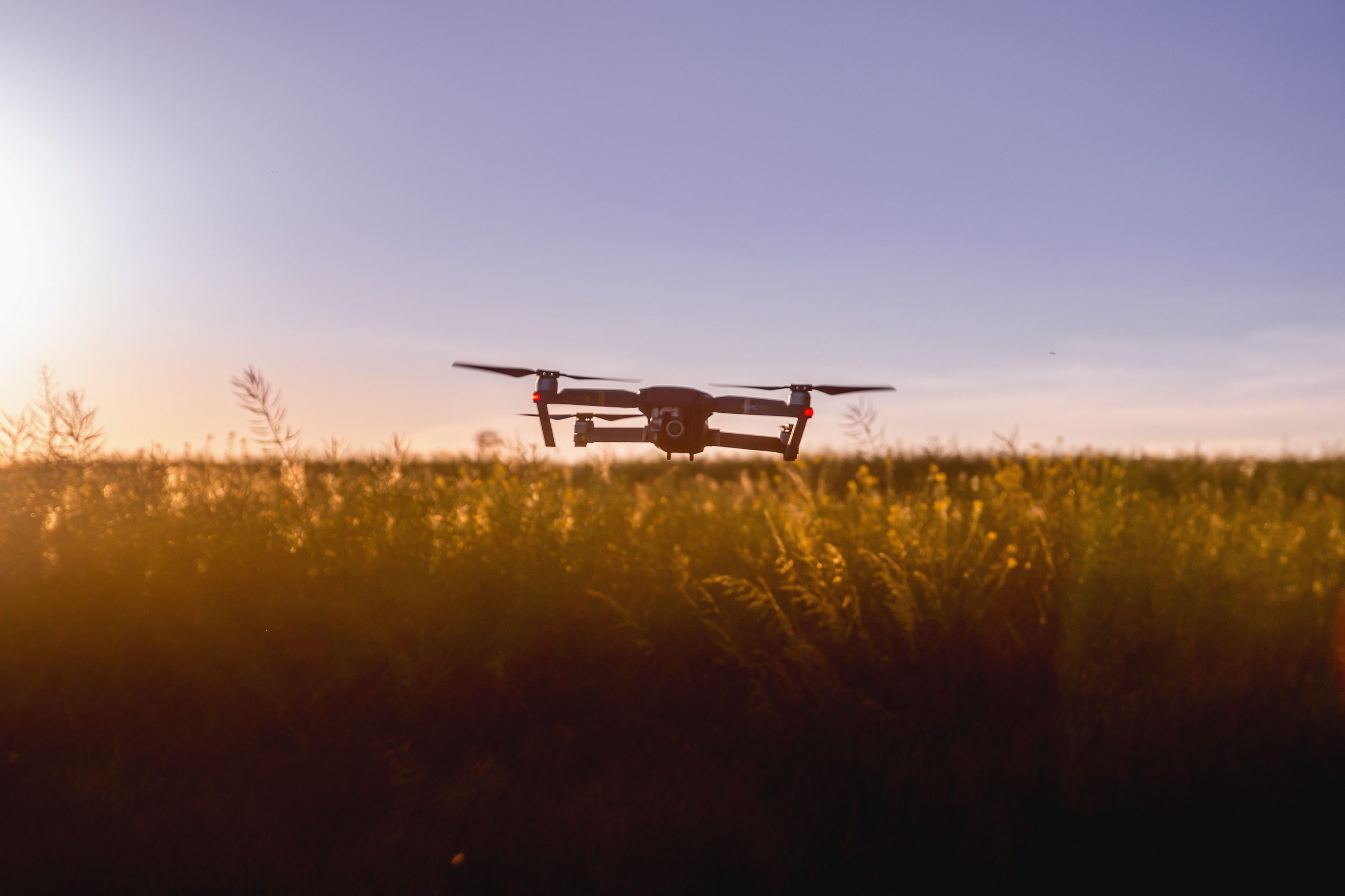
One of the factors impeding the widespread adoption of drones is the technical expertise required for their operation. To alleviate this, Nashik-based NxtQube brings automated, pilotless drones to the forefront of India’s surveillance industry. The use cases of these drones so far indicate strong applicability for safety monitoring and operational efficiency in different sectors.
Updated on: 26 July 2026

Sector

Solution
Traffic Management

Technology

State of Origin
Impact Metrics
17 drone systems deployed,
primarily in Maharashtra and Gujarat.
700–800 operations before failure
for each drone.
12 flights per day
possible for each drone.
6 hours of training time
required, enabling any lay person to operate a pilotless drone.
The technology to build and deploy drones has been available since at least 2007. However, its commercialization has been slow for two main reasons—high material costs and dependency on human pilots with technical expertise.
But what if drones could be more easily accessible for the lay person? This would allow them to be more widely adopted and thus provide more data for informed decisionmaking.
NxtQube, founded in 2022 by Nikhil Rajput and Nilesh Palkar, aims to achieve precisely this. This Nashik-based startup has designed pilotless drones that can be operated with instructions in simple language. With early applications in traffic control, military operations, and the energy sector, these drones are pushing the boundaries of what is possible in aerial surveillance.
Components of the solution
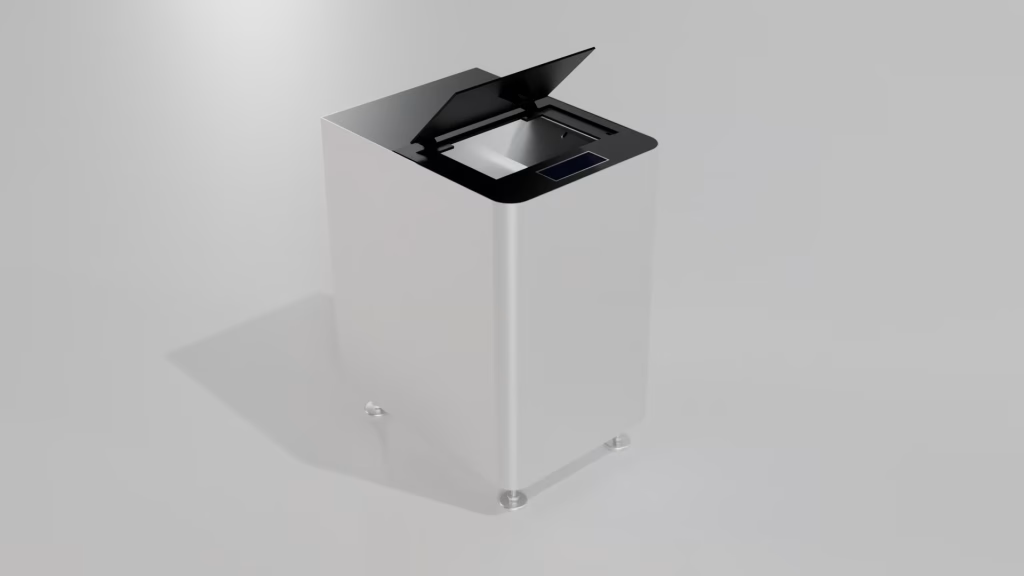
NxtQube’s signature drone set consists of three parts: the drone itself, a drone docking station, and a digital platform for control and management. When a user wishes to launch a drone, they do so by issuing instructions, and the target location’s geographical coordinates, via the digital platform. These instructions are automatically sent to the docking station, then routed to the drone. Finally, the drone is activated and starts making its way towards the target.
In addition to having an autonomous navigation system, a NxtQube drone has object recognition software that can identify not only people but also events of interest such as smoke, fire, traffic congestion, and altercations between pedestrians. The drone transmits all live data from its feeds to the digital platform, which can be supervised by human operators. All information can also be forwarded to linked and authorized mobile devices.
What are the advantages of these drones?
The main advantage of using NxtQube’s drones is that they can increase aerial surveillance with minimum human input. While manually controlled drones can usually complete 2–3 flights within 24 hours, these pilotless drones can achieve about 12 in the same time span. Each launch can be completed in 2–6 minutes, and training an individual to operate a drone set takes only 6 hours. The company’s tests indicate that a drone can complete 700–800 operations before experiencing any significant technical problems.
In addition to being efficient in operation, they also save personnel and technical costs in the long run. By detecting and visualizing road conditions, they have provided data to optimize 7000–8000 km of transit routes for commercial trucks. As per the company’s current data, clients can recover the value of their investments in these drones within 10–11 months.
So far, NxtQube’s drones have been used primarily to improve safety across different sectors. In partnership with the Rajkot Police, they have helped reduce the number of accidents, monitor traffic, and complete scheduled regional patrolling. With the Indian Army and Air Force, they have supported various reconnaissance missions. They have also been used in solar farms and open-pit mines to improve surveillance and detect threats to worker safety.
Currently, NxtQube is most active in Maharashtra and Gujarat and has deployed a total of 17 drone systems.
Business structure
During the initial stages, funding for NxtQube was self-raised by the founders. In 2023, the company received a grant of INR 20 lakh from Social Alpha and National Aerospace Laboratories (NAL). A year later, the Aeronautical Society of India (AESI) also provided the startup with an investment.
Over 96% of the materials for the drone systems are manufactured in-house at NxtQube facilities, with only chips for the drones being sourced from abroad. This ensures that NxtQube’s solution has relatively low dependency on global supply chains.
Areas for expansion
According to Nikhil Rajput, NxtQube has identified a number of drone features to incorporate in the coming years. These include swarm capabilities, logistic capabilities, crop health monitoring, and the ability to receive instructions via messaging services such as WhatsApp—all of which would increase the value provided by NxtQube drones in various sectors.
From a policy perspective, the company would benefit from increased financial incentives that support the drone industry as a whole. These incentives could be based, for example, on the number of pilotless drones or docking stations produced. Additionally, governments could encourage innovation by adopting a more streamlined approach to drone surveillance, with fewer legal prerequisites for testing or manufacturing. If actualized, these changes could greatly improve the quality of aerial data collection, both for businesses as well as for State institutions.
Share Your Story Today, Shape Viksit Bharat Tomorrow
Got an idea, innovation, or experience that's making a difference? Share your story now and ignite India's transformation because your voice can drive the future forward!
Resources to Replicate This Idea
BUILD YOUR OWN INTERVENTION
Handpicked stories tailored just for you
Explore stories that inspire, inform, and ignite new ideas across tech, innovation, and real-world impact

How AI Diagnostics Are Reaching India’s Frontline Health Workers
AffEx equips rural health workers with an AI-powered point-of-care screening kit — testing hemoglobin, blood pressure, ECG, and cardiac and...
Read More